
The Essential Role of Dental Checkups in Your Lifelong Health
Your teeth will chew their way through thousands of meals over the years, and most of the time, they’ll do it without giving you much reason to think about them. That’s great news for your daily routine, but it also means a small cavity or early gum disease can develop well before you feel any discomfort.
In today’s article, we’ll get into the importance of dental checkups and what each visit will do for your health at every stage of life.
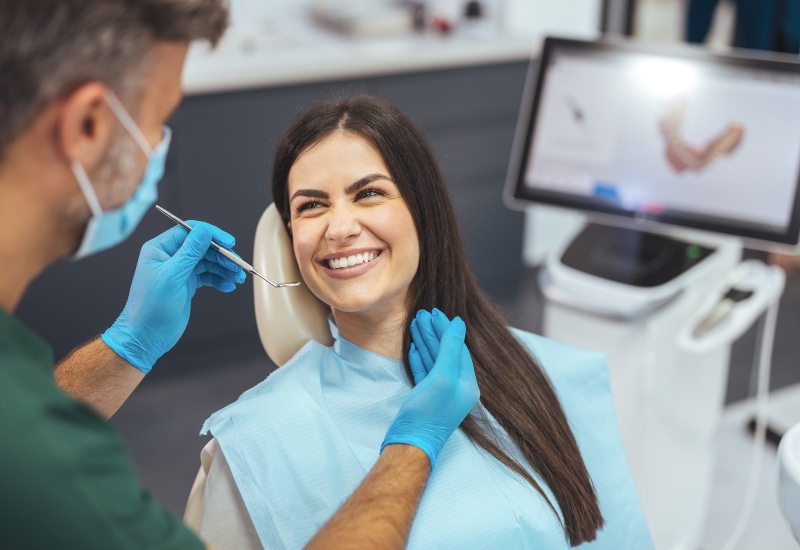
What Happens During an Oral Health Checkup?
A routine checkup with a cleaning and an exam usually takes about 45 minutes to an hour. Your visit will typically follow this order:
- Your Health History – Your dental team will ask about any new medications or changes to your health since your last visit before they get started.
- X-Rays When They’re Needed – If you’re due for them, your team will take digital X-rays so your dentist can review them during your exam.
- Your Professional Cleaning – Your hygienist will remove the plaque and tartar buildup your brushing misses, then check your gums for early signs of gum disease.
- Your Dentist’s Exam – Once your cleaning is done, your dentist will examine your teeth, gums, tongue, and throat, then talk with you about anything that needs attention.
Preventive Dentistry: Stopping Problems Before They Start
Gum disease shows exactly why catching a problem early makes such a difference. In its earliest stage, it’s called gingivitis, where your gums may look red or puffy and bleed when you brush. Your hygienist will often spot it at a checkup before you’ve noticed anything, and a professional cleaning paired with good habits at home can reverse it completely.
Once gingivitis progresses to periodontitis, you’ll start losing some of the bone that holds your teeth in place, and treatment can only slow it down. According to the CDC, nearly half of adults 30 and older have periodontitis.
The Benefits of Regular Dental Visits
Every visit gives your dentist a chance to find a problem while it’s still small, and that usually keeps the fix small, too. A cavity caught early can typically be repaired with a simple filling in one short appointment. But if that same decay has time to keep spreading to the nerve, you could need a root canal and a crown to save the tooth instead.
Simpler treatment also tends to cost a lot less. And many dental plans cover routine checkups and preventive treatment at little or no cost to you, which makes each visit one of the most affordable parts of your care.
The Link Between Oral Health and Overall Health
Believe it or not, your mouth can tell your dentist quite a bit about the rest of your body. Gum disease has been linked to heart disease and diabetes, and researchers are still studying exactly how one affects the other. With diabetes, the relationship seems to run both ways: high blood sugar can make gum disease more severe, and treating gum disease may help lower blood sugar over time.
Some medical conditions can show their first signs in the mouth, too. That’s why it’ll help to tell your dentist about any new diagnosis or medication, even if it doesn’t seem related to your teeth.
Dental Exam Frequency: How Often Should You Go?
Most dentists recommend a checkup and professional cleaning about every six months, and that schedule works well for most patients. Just keep in mind that your dentist will ultimately set your schedule based on your own health risks. If you’re being treated for gum disease, get cavities often, or have diabetes, your dentist may want to see you every three to four months. If you’ve had healthy teeth and gums for years, your dentist might space your visits a little further apart.
Building Healthy Habits for a Lifetime of Smiles
What you do at home between visits will have a lot to do with what your dentist finds at the next one. During your cleaning, your hygienist can show you where plaque tends to build up in your mouth and how to adjust your brushing and flossing to reach those spots.
If your gums bleed when you floss or certain teeth feel sensitive, be sure to mention it. Your hygienist can recommend changes to your routine dental care that will help bring those areas back to health before your next checkup.
Schedule Your Next Checkup With Library Park Dental
The best time to book a checkup is while your teeth feel fine, since that’s when anything we find will be easiest to treat. Our hygienists at Library Park Dental provide gentle, thorough cleanings for patients of all ages across Kenosha, and our dentists will follow up with a careful exam of your teeth and gums. We’ll show you anything we notice and let you know when to come back based on your own needs.
Book your next checkup with our team online today, and feel free to schedule the rest of your family while you’re at it.
Dental Checkups – Frequently Asked Questions
Why Do I Need a Cleaning if I Brush and Floss?
Because even great brushing and flossing habits miss a few spots. Over time, a little plaque and tartar will build up in places your toothbrush and floss don’t quite reach, especially along the gumline. Your hygienist will clean those areas thoroughly, which helps keep gingivitis from taking hold between visits.
Do I Need X-Rays at Every Dental Checkup?
Not usually. Your dentist will decide when you need X-rays based on your age, your oral health, and your risk for problems like cavities or gum disease. When you are due, digital X-rays let your dentist see what’s happening beneath the surface, including bone loss or impacted teeth that a visual exam can’t show.
Does a Dental Checkup Include an Oral Cancer Screening?
Yes, it does. During your exam, your dentist will look over your tongue and the rest of your mouth, then feel your jaw and neck for anything unusual. That careful look and feel is the most effective first step in catching oral cancer early. If you notice a sore or lump in your mouth that hasn’t healed in two to three weeks, let your dentist know instead of waiting for your next visit.
Do Children and Adults Benefit Equally From Checkups?
They both benefit, just in slightly different ways. For kids, regular checkups let your dentist monitor how their teeth are developing and help the dental office feel like a familiar, comfortable place. For adults, the focus often turns to preserving natural teeth, protecting fillings and crowns, and catching gum disease early. Later on, checkups also help with concerns like denture care and dry mouth.