
Gingivitis vs Periodontitis: Causes, Symptoms, and Treatment
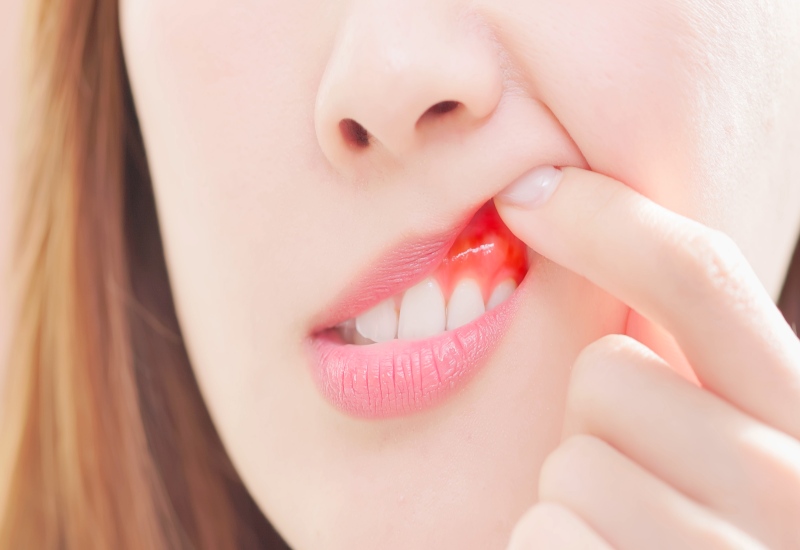
Gum disease is one of the most common oral health conditions affecting adults. Many people use the terms gingivitis and periodontitis interchangeably, yet these conditions represent different stages of gum disease with very different consequences.
Understanding the difference between gingivitis and periodontitis can help you recognize early warning signs, seek prompt treatment, and protect your long-term oral health. Library Park Dental explores the causes, symptoms, and treatments of gingivitis and periodontitis. Reach out to learn more.
What Is Gingivitis?
Gingivitis is the earliest stage of gum disease and occurs when plaque builds up along the gumline. If plaque is not removed through proper brushing and flossing, it can irritate the gums and trigger inflammation. When gingivitis is caught early, it’s generally reversible.
Common Causes of Gingivitis
Gingivitis typically doesn’t happen overnight. Some of the most common causes of gum disease in its earliest stage include:
- Poor oral hygiene habits
- Infrequent dental cleanings
- Tobacco use
- Hormonal changes during pregnancy, puberty, or menopause
- Certain medications that reduce saliva production
- Medical conditions such as diabetes
- Nutritional deficiencies
Symptoms of Gingivitis
Because gingivitis often causes little to no pain, many individuals are unaware they have it until a dental examination reveals signs of inflammation. Many patients experience mild symptoms that may be easy to overlook, including:
- Red or swollen gums
- Tender gums
- Bleeding when brushing or flossing
- Persistent bad breath
- Slight gum sensitivity
What Is Periodontitis?
Periodontitis is an advanced form of gum disease that develops when gingivitis goes untreated. At this stage, bacteria spread below the gumline, causing damage to the supporting structures around the teeth, including gum tissue, periodontal ligaments, and jawbone. Unlike gingivitis, periodontitis can lead to permanent loss of tissue and bone.
How Periodontitis Develops
When plaque hardens into tartar, it’s extremely difficult to remove with routine brushing and flossing. The body’s immune response to bacterial infection can cause the gums to pull away from the teeth, creating periodontal pockets where bacteria continue to thrive. Over time, this process can result in:
- Gum recession
- Bone loss
- Deep periodontal pockets
- Loose teeth
- Tooth loss
Periodontal Disease Stages
Understanding the periodontal disease stages can help patients appreciate the importance of early intervention. The stages include:
- Stage 1: Gingivitis: Inflammation affects only the gums and is typically reversible.
- Stage 2: Early Periodontitis: Minor bone loss begins, and periodontal pockets may develop.
- Stage 3: Moderate Periodontitis: Deeper pockets form, resulting in increased tissue and bone damage.
- Stage 4: Advanced Periodontitis: Severe bone loss can lead to tooth mobility, shifting teeth, and eventual tooth loss.
Gingivitis vs Periodontitis: Key Differences
While both conditions are forms of gum disease, they differ significantly in severity and long-term impact. The biggest distinction in gingivitis vs periodontitis is that gingivitis affects only the gums, while periodontitis damages the structures that support your teeth. While gingivitis is usually reversible, periodontitis often causes permanent damage.
Gum Disease Symptoms: Warning Signs to Watch For
Recognizing gum disease symptoms early can help prevent progression to more serious periodontal issues. Watch for these common signs:
- Bleeding Gums: If your gums bleed regularly when brushing or flossing, it may indicate inflammation caused by plaque buildup.
- Swollen Gums: Healthy gums should appear firm and pink. Persistent redness or swelling is often an early indicator of gum disease.
- Persistent Bad Breath: Bacteria trapped beneath the gumline can create chronic bad breath that doesn’t improve with brushing alone.
- Gum Recession: As periodontal disease progresses, gums may begin pulling away from the teeth, making teeth appear longer.
- Tooth Sensitivity: Exposed tooth roots caused by receding gums can increase sensitivity to hot and cold foods or beverages.
- Loose or Shifting Teeth: One of the more advanced gum disease symptoms is tooth movement caused by bone loss.
- Pain While Chewing: Discomfort during eating may indicate significant periodontal damage requiring immediate professional attention.
How to Treat Gum Infection and Periodontal Disease
Many patients wonder how to treat gum infection before it causes permanent damage. The following treatments depend on the stage and severity of the disease.
- Professional Dental Cleaning: For gingivitis, a professional cleaning often removes plaque and tartar that contribute to inflammation.
- Improved Oral Hygiene: We may recommend a more consistent brushing schedule, daily flossing, and an antimicrobial mouthwash.
- Scaling and Root Planing: When periodontitis develops, a deep cleaning procedure called scaling and root planing may be necessary.
- Periodontal Maintenance: Patients diagnosed with periodontitis often require more frequent cleanings and ongoing monitoring to control the disease.
- Antibiotic Therapy: In some cases, dentists may prescribe topical or oral antibiotics to help eliminate bacterial infection.
- Surgical Treatment: Advanced periodontal disease may require pocket reduction surgery, gum grafting, or bone grafting.
Gum Disease Prevention Tips for Long-Term Oral Health
The best way to avoid periodontal complications is to follow effective gum disease prevention tips every day. We recommend the following gum care tips:
- Brush Properly: Use a soft-bristle toothbrush with fluoride toothpaste twice daily.
- Floss Daily: Flossing removes plaque between teeth and below the gumline where a toothbrush cannot reach.
- Schedule Routine Dental Visits: Professional dental cleanings help remove hardened tartar that cannot be removed at home.
- Avoid Tobacco Products: Smoking and tobacco use significantly increase the risk of gum disease and reduce healing ability.
- Eat a Healthy Diet: A balanced diet rich in vitamins and minerals supports gum health and immune function.
- Manage Medical Conditions: Conditions such as diabetes can increase susceptibility to gum disease when not properly controlled.
- Address Symptoms Early: Never ignore bleeding gums, bad breath, or gum tenderness.
Contact Library Park Dental
Library Park Dental offers comprehensive dental services to Kenosha, WI. With regular dental care, proper oral hygiene habits, and early intervention, most cases of gum disease can be effectively managed or prevented. Contact us to schedule a comprehensive dental evaluation.
Frequently Asked Questions
Is Gingivitis Completely Reversible?
Yes. In most cases, gingivitis is completely reversible with professional dental cleanings and consistent oral hygiene practices, including brushing and flossing daily.
Can Periodontitis Be Reversed Once Bone Loss Occurs?
Unfortunately, bone loss caused by periodontitis cannot typically be fully reversed. Periodontal treatment can stop disease progression and help preserve remaining bone and teeth.
How Quickly Can Gingivitis Develop Into Periodontitis?
The timeline varies from person to person. Factors such as oral hygiene habits, smoking, genetics, and overall health can influence how quickly gingivitis progresses into periodontitis.
Are Bleeding Gums Always a Sign of Gingivitis?
Not always. While bleeding gums are a common sign of gingivitis, they can also result from periodontitis, hormonal changes, certain medications, or other health conditions.
Can Untreated Periodontitis Cause Teeth to Shift or Become Loose?
Yes. As periodontal disease destroys supporting bone and gum tissue, teeth may loosen, shift position, or eventually fall out if the condition is not treated.