
Preventive Dentistry for Kids: Building Habits That Last
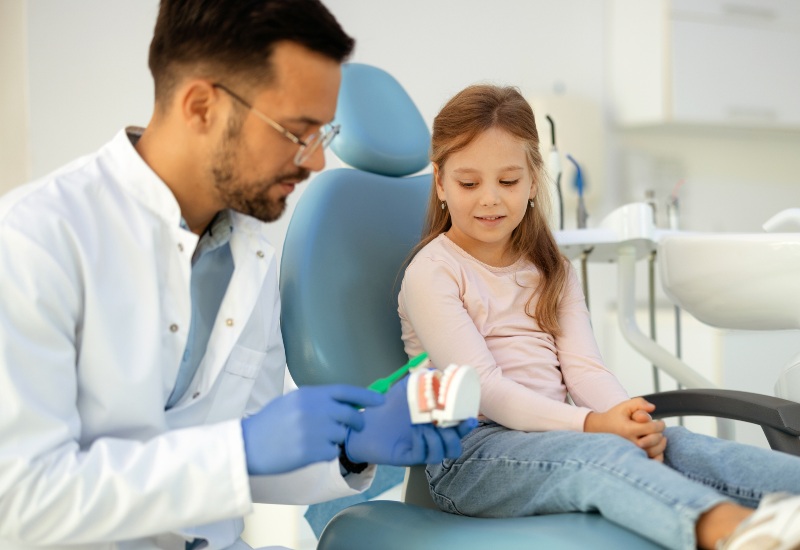
Healthy smiles do not happen by accident. The habits children develop while they are young can influence the health of their teeth and gums for years to come. Preventive dentistry for kids focuses on stopping common dental problems before they become more serious while helping children learn how to care for their smiles with confidence.
From brushing and flossing at home to regular dental checkups, fluoride, and dental sealants, there are many ways parents and dental professionals can work together to protect growing smiles. Starting early can make oral hygiene feel like a normal part of everyday life rather than a chore.
Why Preventive Dentistry Matters for Children
Children can develop cavities as soon as they have teeth, making early prevention important. Preventive care is designed to reduce the risk of tooth decay while giving a dentist opportunities to monitor a child’s developing teeth, gums, bite, and overall oral health.
Routine dental visits can also help identify concerns while they are easier to address. Preventive strategies may include professional cleanings, fluoride treatments, dental sealants, oral hygiene education, and individualized recommendations based on a child’s needs.
Building Strong Dental Habits Early in Childhood
One of the best ways to support long-term oral health is to establish a simple routine and stick with it. Core kids dental care habits include:
- Brushing twice each day with fluoride toothpaste
- Brushing for approximately two minutes
- Cleaning between teeth once teeth begin touching
- Limiting frequent sugary snacks and beverages
- Drinking plenty of water
- Attending recommended dental checkups
- Wearing appropriate protection during sports
Essential Preventive Dental Care Practices for Children
Good children preventive dental care starts at home. Parents can help by demonstrating proper brushing, supervising children’s routines, and making sure difficult-to-reach areas are not routinely missed. A child’s toothbrush should have soft bristles and be comfortable for the size of their mouth. Toothbrushes should generally be replaced every three to four months, or sooner when the bristles become frayed.
Professional Preventive Treatments That Protect Young Smiles
Home care and professional dentistry work together to protect children’s teeth. During routine visits, the dental team can clean areas that may be difficult for children to reach and look for early signs of decay or developmental concerns. Depending on a child’s needs, additional preventive treatments may include:
- Fluoride Treatments: Fluoride helps strengthen tooth enamel and make teeth more resistant to decay.
- Dental Sealants: Sealants are thin protective coatings placed over the grooves of the back teeth. Because these grooves can trap plaque and food, sealing them can provide another layer of protection against cavities.
- Mouthguards: Children involved in contact or collision sports can benefit from properly fitted mouthguards to reduce their risk of dental injuries.
The Connection Between Nutrition and Kids’ Dental Health
Nutrition is another important piece of the prevention puzzle. Frequent exposure to sugary foods and beverages can contribute to tooth decay, particularly when children snack or sip on them throughout the day. Encourage balanced meals and snacks containing foods such as vegetables, fruits, dairy products, lean proteins, and whole grains. Water is also an excellent everyday beverage choice.
Parents don’t necessarily have to eliminate every treat. Instead, focus on moderation and consistent brushing.
How Parents Can Help Build Lasting Dental Habits
Parents play an important role in building dental habits for kids. Try these practical strategies:
- Brush alongside your child so they can copy your technique.
- Maintain predictable morning and bedtime routines.
- Praise good brushing rather than criticizing mistakes.
- Supervise brushing until your child has the dexterity to clean thoroughly.
- Talk positively about dental appointments.
- Schedule regular preventive visits instead of waiting for discomfort to occur.
Making Dental Care Fun and Engaging for Kids
Dental care does not have to feel like another household chore. Let children choose an age-appropriate toothbrush in a favorite color or design. Use a two-minute timer, brushing song, sticker chart, or small reward system to encourage consistency. Timers, fun toothbrushes, educational games, and dental-care charts make oral hygiene more engaging.
Encouraging Positive Oral Care Habits from the Start
The goal of early dental care for kids is not simply preventing today’s cavity. It’s helping children understand that taking care of their teeth is an ordinary part of taking care of themselves. Parents can reinforce that attitude by avoiding frightening language about dentists, celebrating successful appointments, and explaining dental care in simple, age-appropriate terms.
Give Your Child a Strong Start With Preventive Dental Care
Library Park Dental provides preventive dental care for children in Kenosha, WI. Help your child build a healthier, more confident smile from the very beginning. Contact our dental team today to schedule a preventive dental visit and learn which treatments and at-home habits are right for your child’s growing smile.
Frequently Asked Questions
How Often Should Children Visit the Dentist for Preventive Care?
A child’s dentist can recommend an appropriate schedule based on their individual oral health needs and cavity risk. Many practices schedule routine preventive visits about every six months.
At What Age Can Children Brush Their Teeth on Their Own?
There is no single age that works for every child because brushing effectively requires sufficient fine motor skills. Parents should supervise and assist until their child can thoroughly clean every tooth independently.
What Are Dental Sealants, and Why Are They Recommended for Children?
Dental sealants are protective coatings applied to the chewing surfaces of back teeth. They cover deep grooves where plaque and food can accumulate, providing additional protection against tooth decay.
Why Are Fluoride Treatments Important for Children?
Fluoride helps strengthen tooth enamel and improve its resistance to cavities. Professional fluoride may be recommended based on the child’s age and individual risk for tooth decay.
How Can Parents Help Reduce Dental Anxiety in Children?
Use calm, positive language when discussing appointments and avoid sharing negative dental experiences around your child. Explaining what to expect in simple terms, praising children after visits, and establishing routine dental care early can also help make appointments feel more familiar.