
How to Spot Early Signs of Gum Recession
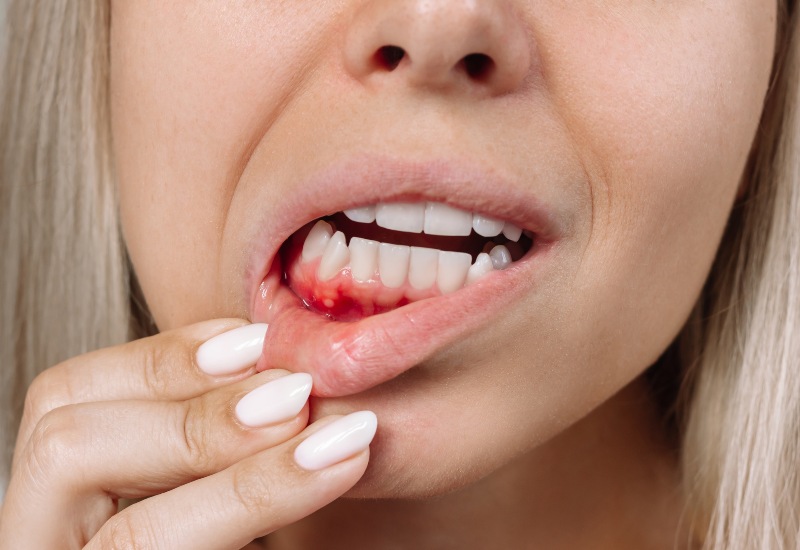
Healthy gums do more than frame your smile. They help protect the roots of your teeth and support your overall oral health. When gum tissue begins to pull away from the teeth, a condition known as gum recession can develop. Because recession often progresses slowly, you may not notice anything is wrong at first. Learning the early signs of gum recession can help you recognize changes and talk to your dentist before the condition progresses. Longer-looking teeth, exposed roots, and sensitivity around the gumline are among the symptoms that can occur.
What Is Gum Recession and Why Does It Matter?
Gum recession occurs when gum tissue pulls back from a tooth, exposing more of the tooth or its root. It may be mild or extensive and can affect a single tooth or several teeth.
Once the root becomes exposed, the tooth may be more susceptible to sensitivity and decay. Untreated recession can also be associated with problems such as bone loss, tooth mobility, and eventually tooth loss, particularly when periodontal disease is involved. Because early gum recession is not always painful, regular dental examinations are particularly valuable for identifying subtle changes.
Common Causes of Gum Recession
There isn’t one single cause of receding gums. Understanding the causes of gum recession can help you identify habits and conditions that may be affecting your gum health. Common contributing factors include:
- Periodontal Disease: Inflammation and infection can damage the tissues and bone that support your teeth.
- Aggressive Brushing: Brushing forcefully can traumatize gum tissue over time.
- Plaque and Tartar Accumulation: Bacterial buildup can contribute to inflammation and periodontal disease.
- Tobacco Use: Smoking and chewing tobacco are associated with poorer gum health.
- Genetics: Some people naturally have thinner gum tissue and may be predisposed to recession.
- Tooth Position: Misaligned teeth can place uneven stresses on gum tissue.
- Trauma: An injury to gum tissue can sometimes result in localized recession.
Early Signs of Gum Recession to Watch For
Watch for gradual changes in how your teeth look and feel. Common gum recession symptoms can include:
- Teeth that appear longer than they used to
- A visible change in the gumline
- Exposed tooth roots
- Sensitivity to hot, cold, or sweet foods and drinks
- Discomfort around the gumline
- Increased sensitivity when brushing or flossing
Other Gum Health Warning Signs
Not every change to your gums means you have recession. Certain symptoms can indicate gingivitis or a more advanced form of periodontal disease instead. Important gum health warning signs include:
- Red or swollen gums
- Tender gums
- Bleeding when brushing or flossing
- Persistent bad breath
- Loose or sensitive teeth
- Pain when chewing
- Gums pulling away from the teeth
What Can Happen If Gum Recession Goes Untreated?
Receding gums expose parts of the tooth that normally receive protection from gum tissue. Exposed roots can become more sensitive and vulnerable to decay. If the underlying cause is periodontal disease, the consequences can become more serious. Untreated periodontal disease can damage the tissues and bone supporting the teeth. In advanced cases, teeth can loosen and may ultimately require removal.
That’s why oral health and receding gums should be considered together. Treating the underlying cause is just as important as addressing the visible gumline.
Gum Recession Treatment Options
The right treatment depends on what caused the recession and how advanced it has become. Potential gum recession treatment options can include:
- Changes to Oral Hygiene: If aggressive brushing is contributing to recession, changing your technique and using an appropriate toothbrush may help prevent additional damage.
- Scaling and Root Planing: If periodontal disease is present, a deep cleaning may be performed to remove plaque and tartar buildup beneath the gumline.
- Gum Grafting: More significant recession may require a surgical procedure that places tissue over an exposed root.
- Orthodontic Treatment: When tooth position contributes to recession, it may be incorporated into the treatment plan.
Tips for Preventing Gum Recession
You can’t eliminate every risk factor, but good daily habits can help protect your gums. Consider these gum recession prevention tips:
- Brush gently rather than aggressively.
- Choose a soft-bristled toothbrush.
- Clean between your teeth consistently.
- Keep up with routine professional cleanings and dental exams.
- Avoid smoking and other tobacco products.
- Tell your dentist if you grind or clench your teeth.
- Don’t ignore bleeding gums, sensitivity, or visible gumline changes.
- Seek treatment for gum disease promptly.
Protect Your Gums Before Recession Progresses
Library Park Dental offers comprehensive gum care in Kenosha, WI. Early evaluation gives your dentist an opportunity to identify whether brushing habits, gum disease, tooth position, or another factor may be contributing and recommend the right treatment. If your teeth look longer, your gums are pulling away, or you’ve developed new tooth sensitivity, schedule an appointment with us today.
Frequently Asked Questions
Can Gum Recession Occur on Just One Tooth?
Yes. Gum recession can affect one tooth, several teeth, or larger areas of the mouth. Localized recession may be associated with trauma, tooth position, brushing habits, or other factors.
Are Receding Gums a Normal Part of Aging?
Gum recession becomes more common with age, but it shouldn’t simply be dismissed as an unavoidable part of getting older. Gum disease, brushing habits, tobacco use, genetics, and tooth positioning can all contribute.
Can Receding Gums Grow Back Naturally?
Lost gum tissue generally doesn’t grow back naturally. Treatment can help stop or slow further progression, address underlying disease, reduce sensitivity, and, when appropriate, cover exposed roots through procedures such as gum grafting.
What Type of Toothbrush Is Best for Preventing Gum Recession?
A soft-bristled toothbrush is a good choice because aggressive brushing with harder bristles can irritate or traumatize the gums. Just as importantly, use gentle pressure when brushing along the gumline.
Is Tooth Sensitivity Always a Sign of Gum Recession?
No. Sensitivity can occur for various reasons, so it doesn’t automatically mean your gums are receding. Gum recession can, however, expose tooth roots and cause sensitivity to hot, cold, or sweet foods and drinks. A dental examination can help identify the cause.